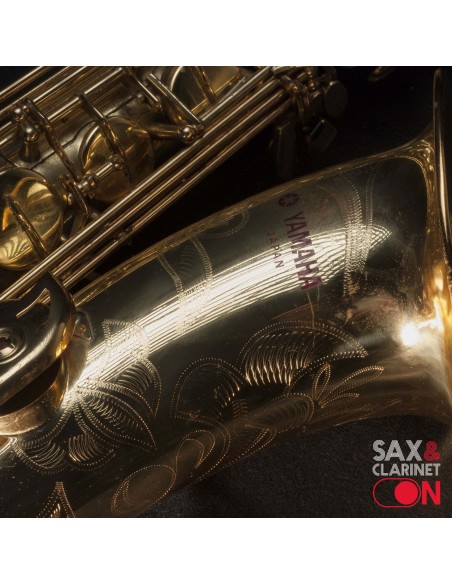
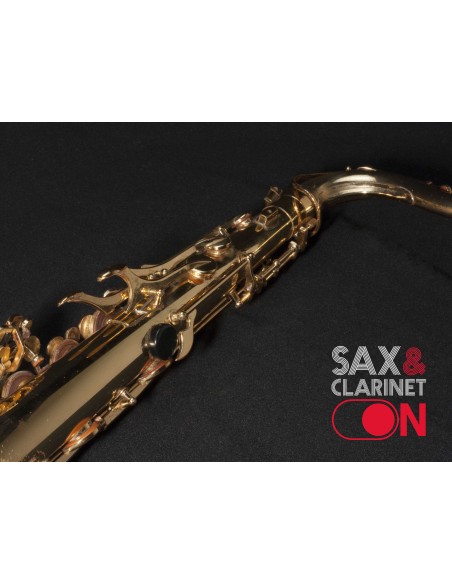
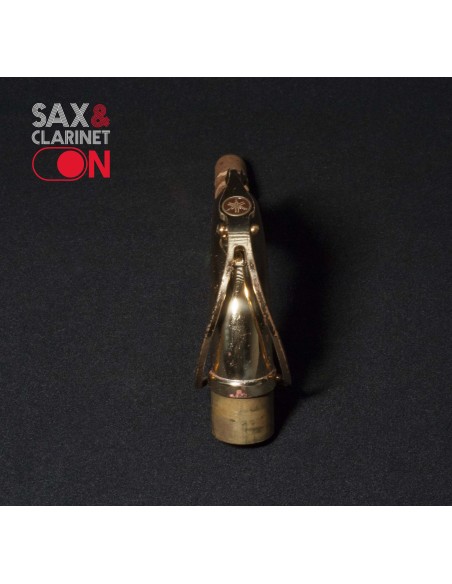
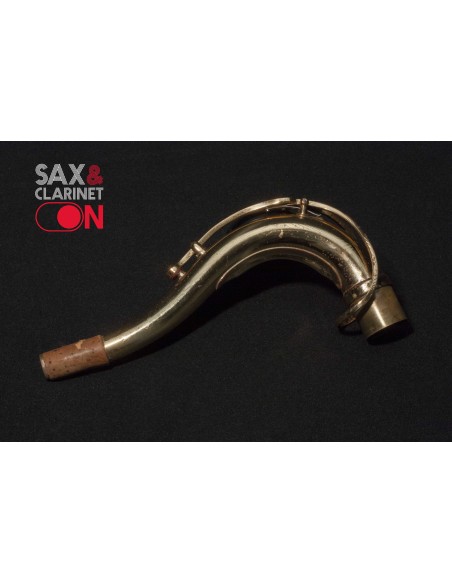
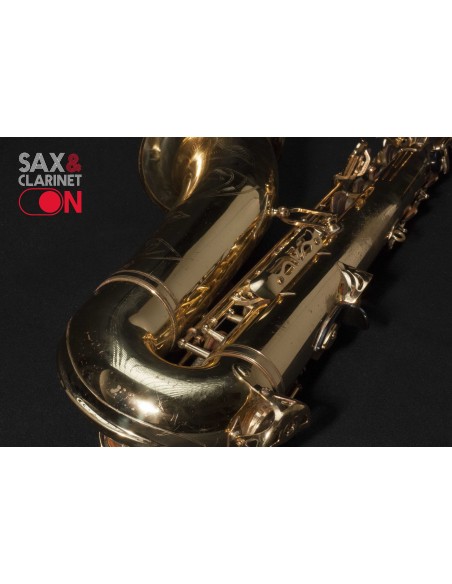
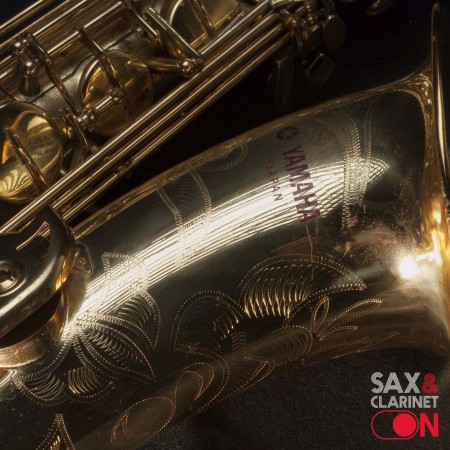
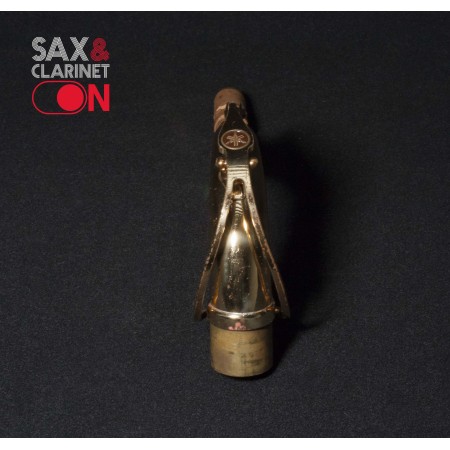
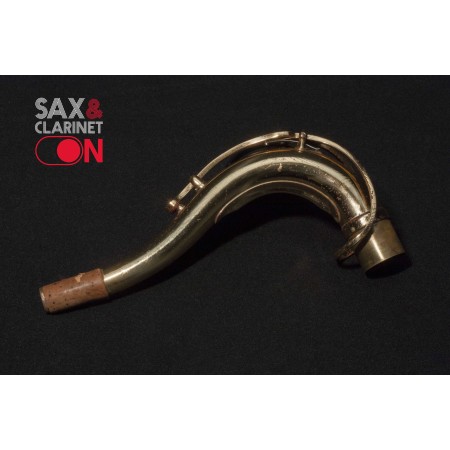
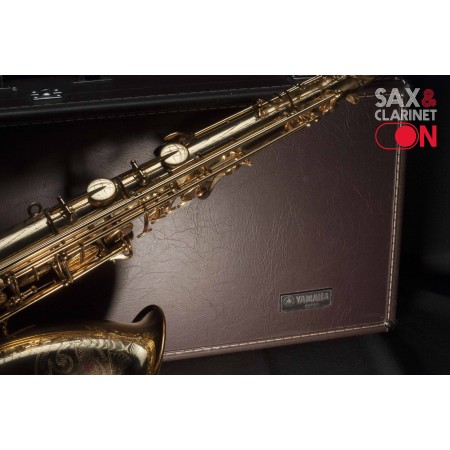
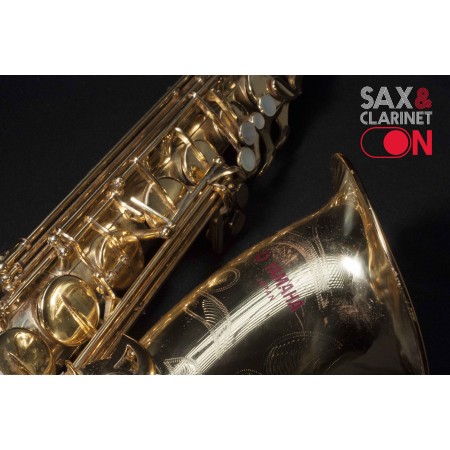
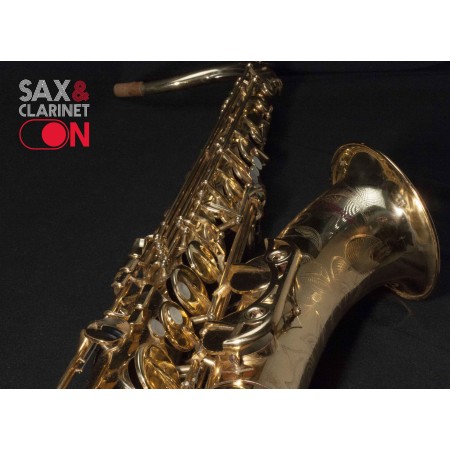
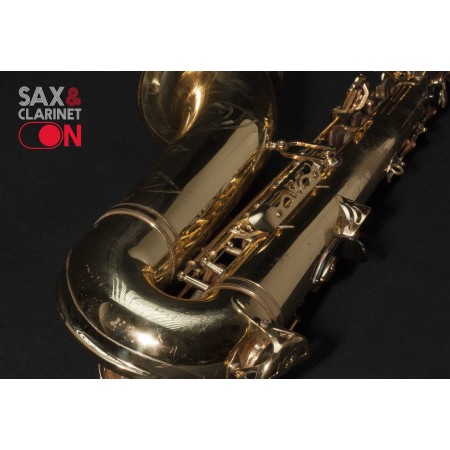
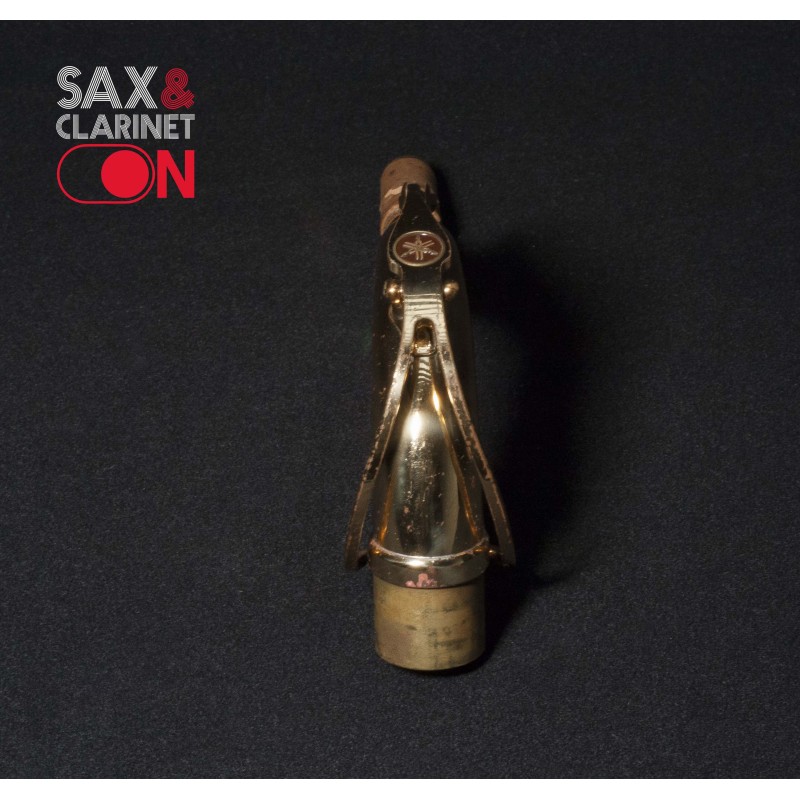
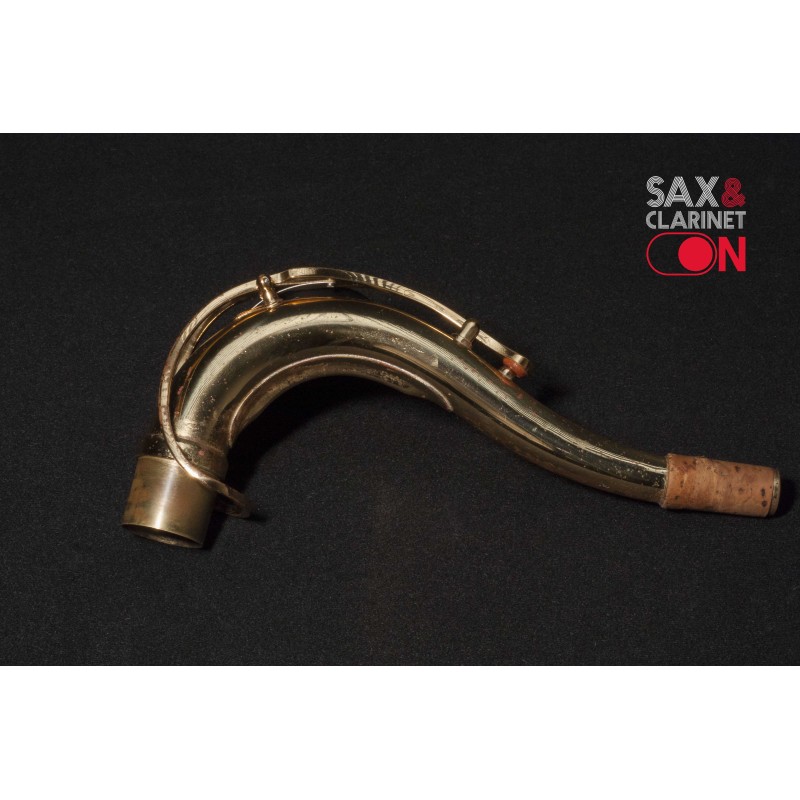
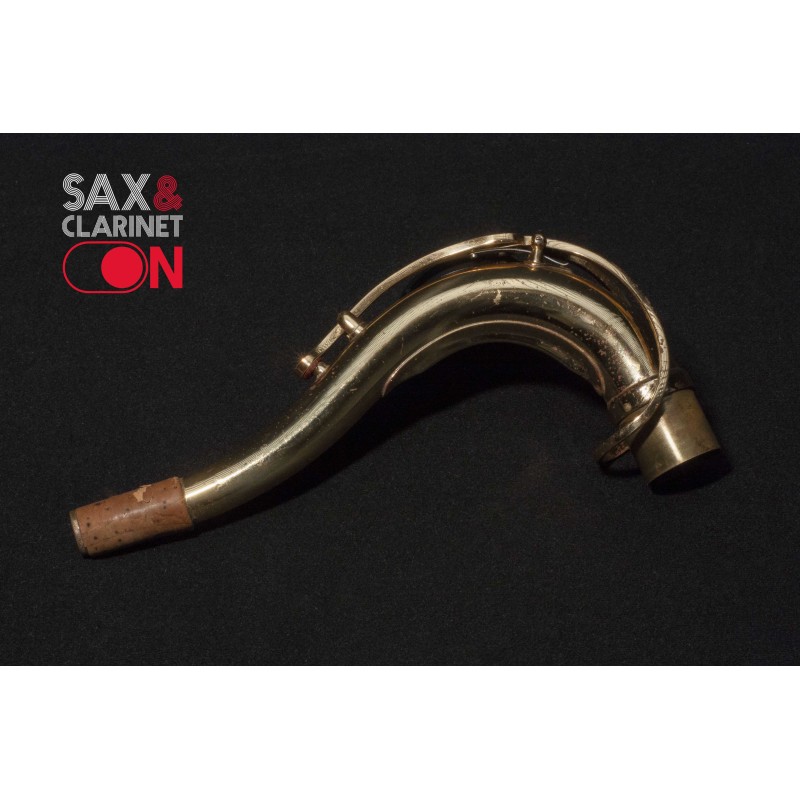
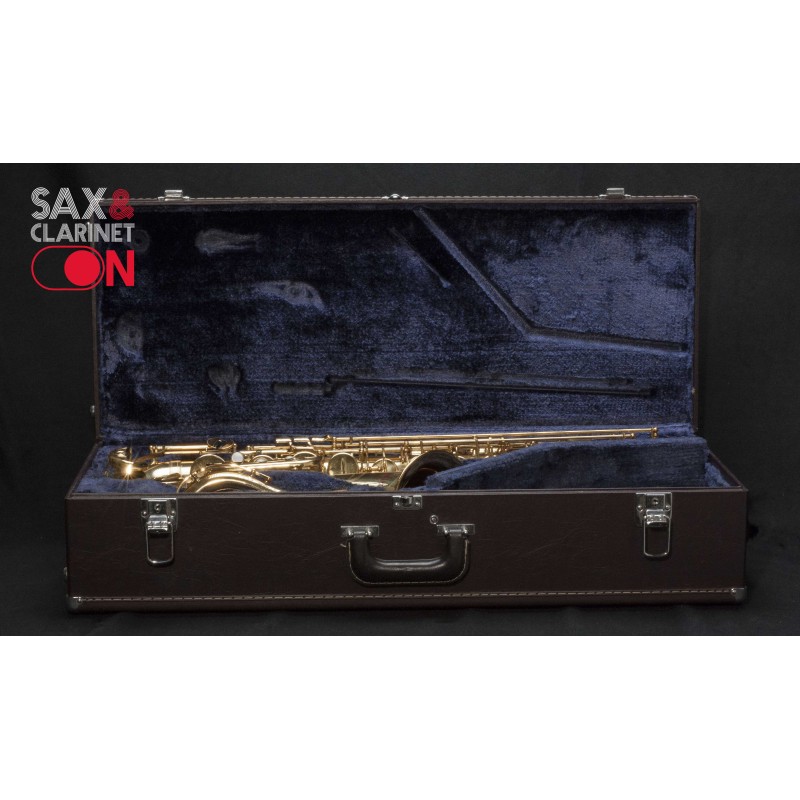
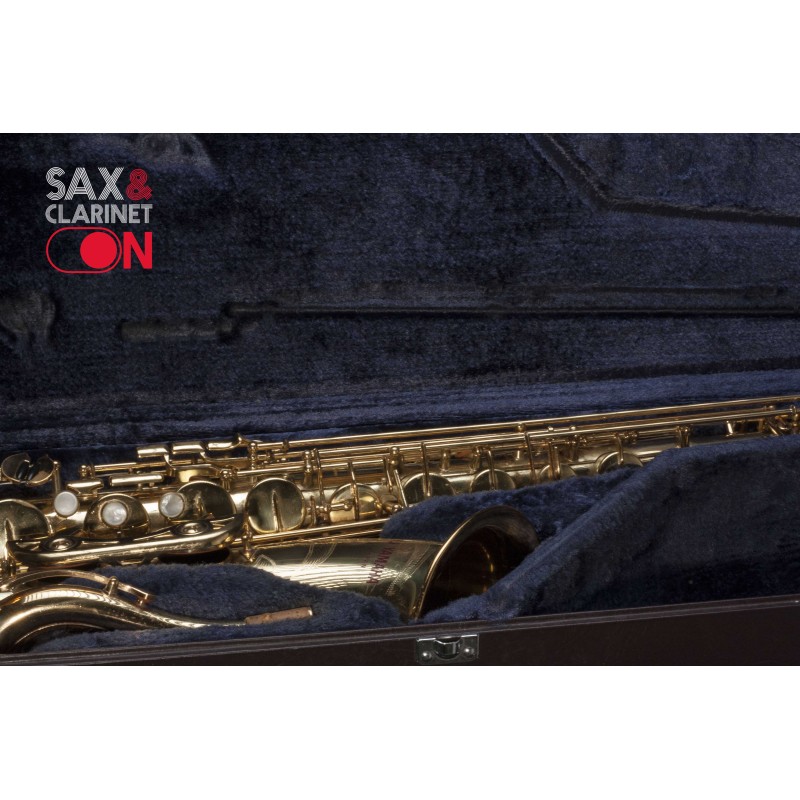
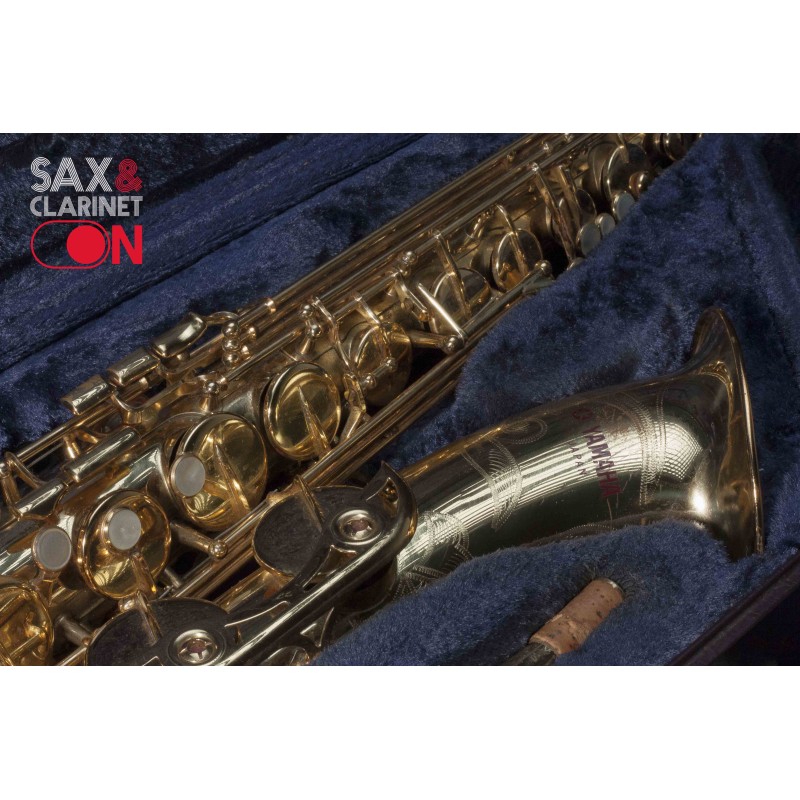
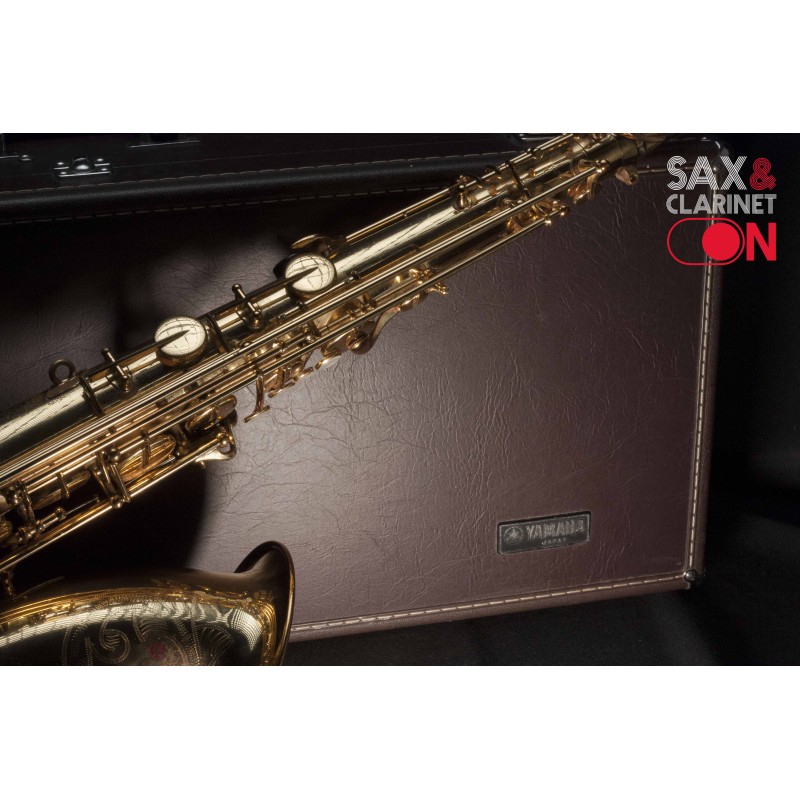
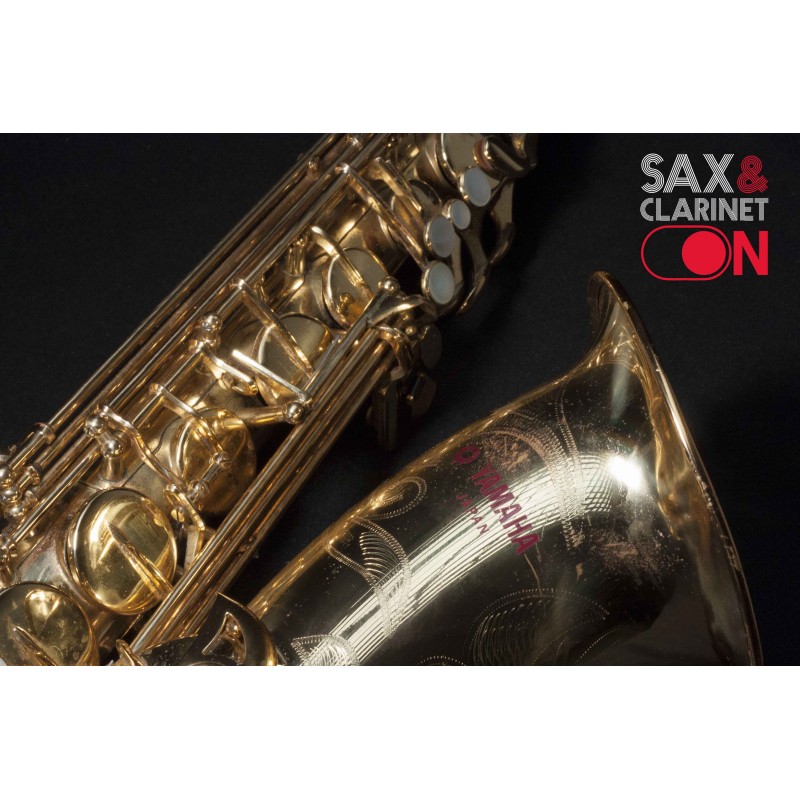
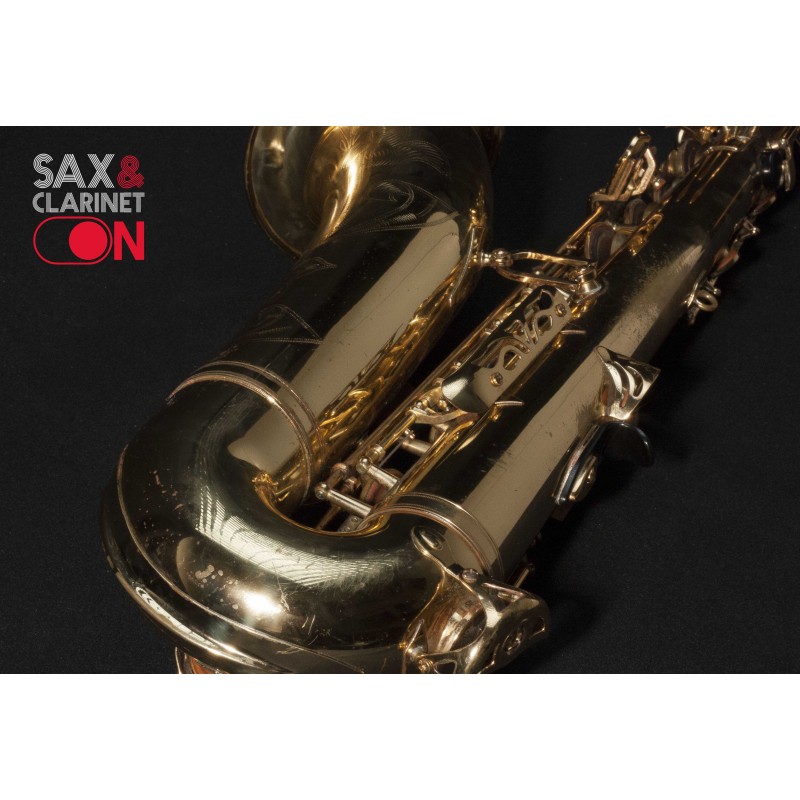
Tenor Yamaha YTS62 Purple Logo 015XXX
Yamaha YTS62 Purple Logo 15XXX tenor sax
Tenor Yamaha YTS62 Purple Logo 015XXX
Yamaha YTS62 Purple Logo 15XXX tenor sax
Tenor Yamaha YTS62 Purple Logo 015XXX

Yamaha YTS62 Purple Logo 15XXX tenor sax

25240
AVAILABLE IMMEDIATELY
€2,650.00
Used good: Not taxes aplicable
Your cart is not eligible for payments with Alma.

Payment

Payments

Exclusive online sales prices

Description

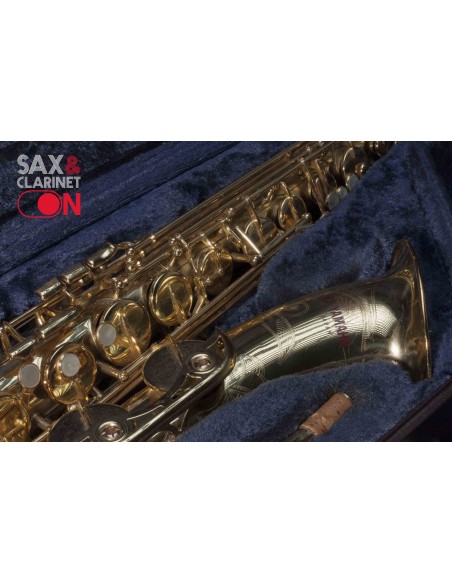
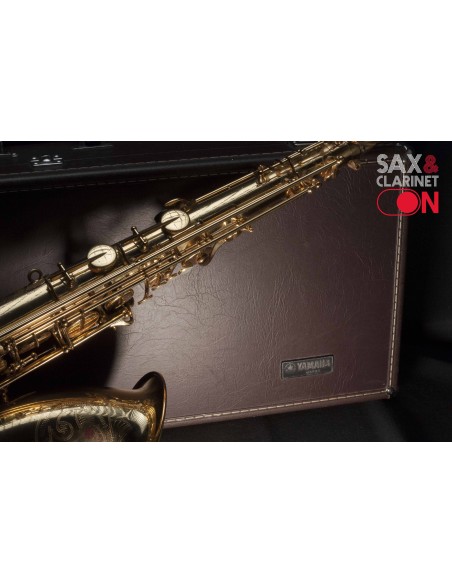
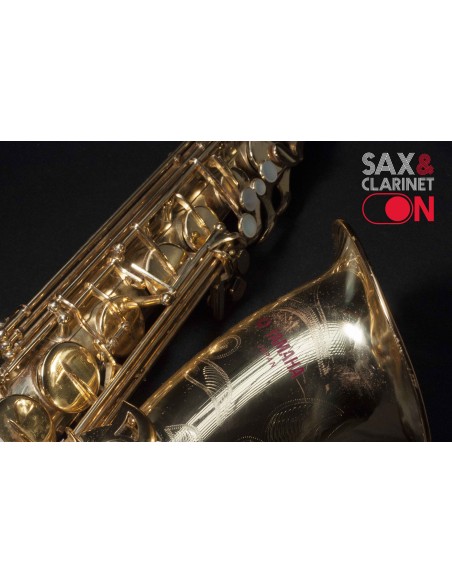
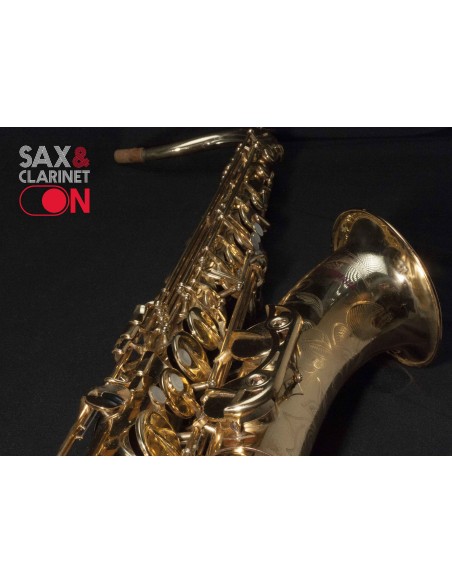
Yamaha YTS-62 “Purple Logo”

The Yamaha YTS-62 “Purple Logo” tenor saxophone is an iconic model in Yamaha’s history. Built in Japan in the late 1970s and early 1980s, it represents a key moment in the brand’s evolution and is highly regarded for its craftsmanship and sound quality.

Sound

The “Purple Logo” YTS-62 is known for its warm, rich tone with a slightly darker character than later models. It combines the vintage sound sought by many players with Yamaha’s hallmark tuning accuracy. The horn offers excellent response across all registers—deep, resonant lows and clear, controlled highs.

Mechanics

This instrument features Yamaha’s precise and ergonomic keywork. The action is light, fast, and reliable, with a well-designed low B–C# connection mechanism that enhances stability and comfort during long sessions.

Construction

Built from high-quality materials, it features a durable amber lacquer and a robust structure. Many instruments from this series remain in outstanding playing condition after decades of use, a testament to Yamaha’s build quality.

Summary

The Yamaha YTS-62 “Purple Logo” is a professional-grade saxophone with a distinctive tone and excellent mechanical performance. It remains one of the most respected and enduring instruments in Yamaha’s lineup, valued for both its reliability and historical significance.
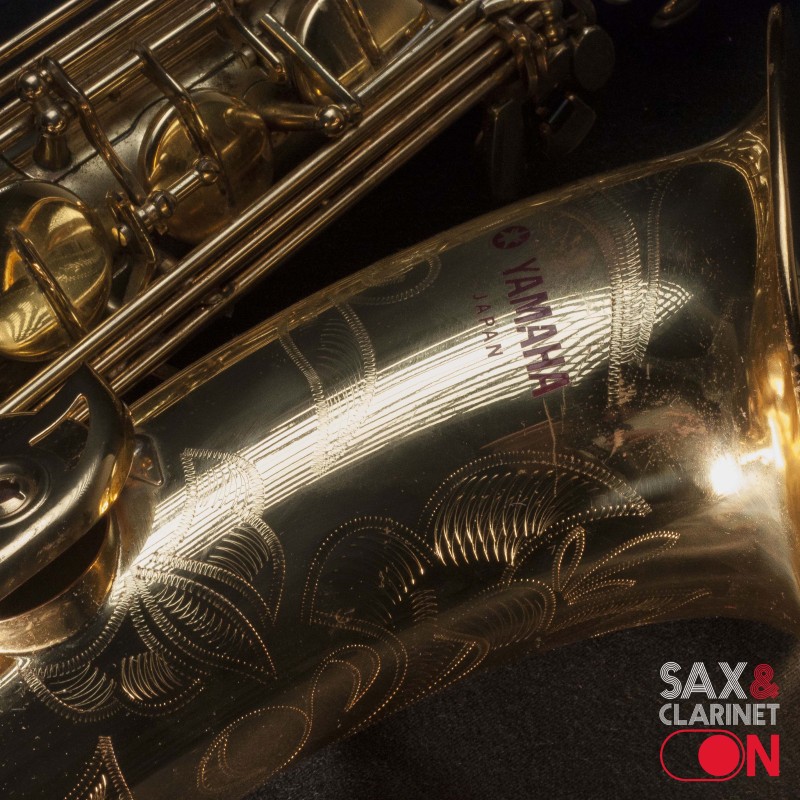
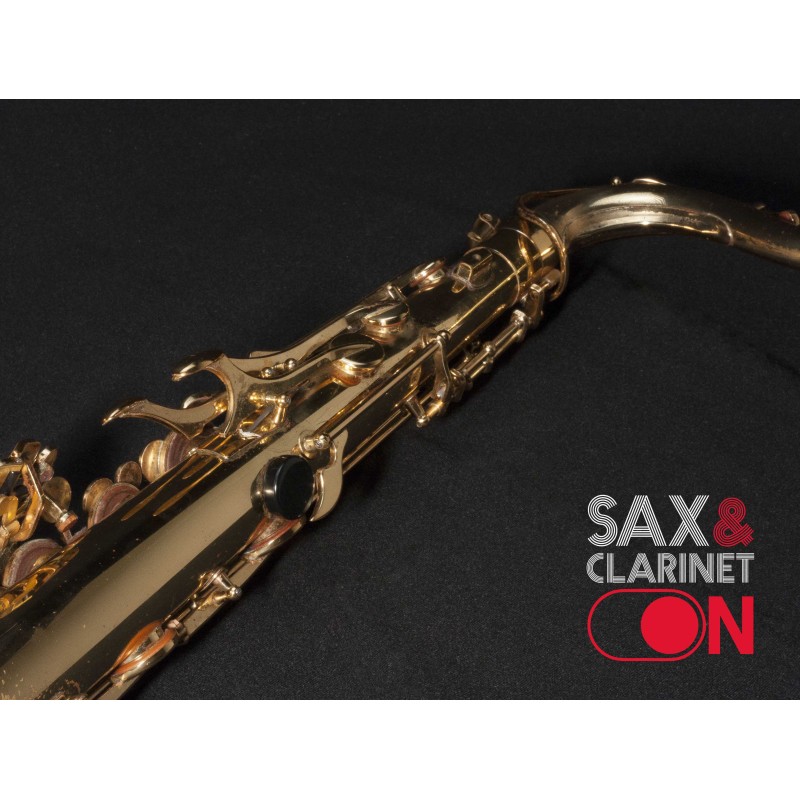
Note: This saxophone may require a full adjustment to restore optimal performance.

Product Details

About Yamaha

Yamaha's founder, Torakusu Yamaha, an entrepreneur of his time, reflected the technological awakening and openness to the world that Japan experienced with the change of century in business development.  

Raised in what is now Wakayama Prefecture, Yamaha received an unusual education for his time from his father, a samurai surveyor with interests in astronomy and mechanics, who had an extraordinary library in his home.

His early jobs included repairing clocks, medical and surgical equipment. Due to the isolation of his area, a city school asked him in 1887 to repair the Mason & Hamlin pipe organ, manufactured in the U.S. He was very fast to notice the the potential bussines of the musical instrument industry in Japan, and Yamaha produced its own version of the organ within a year and then established a new business in Hamasatsu to manufacture organs for Japanese elementary schools. 

Western musical traditions attracted the interest of the Japanese government, which encouraged and addressed the growing enthusiasm for their culture. While Yamaha's technical education enabled him to manufacture a product, the government's investment in infrastructure allowed him to set up a business. To make the organ, Yamaha used modern methods of mass production and by 1889 employed 100 people and produced 250 organs per year.

During the 1890s, the upright piano surpassed the pipe organ in popularity in U.S. homes (lower cost) and Yamaha quickly saw the potential of this market. Expansion into pianos required more research, so the Japanese Ministry of Education sponsored a Yamaha tour for the United States in 1899. He studied the manufacture of pianos and established the relationship with suppliers of the materials needed to produce pianos in Japan. Within a year he produced his first piano. Government and institutional orders were the first to be delivered, including some units for the Ministry of Education. In 1902, using American materials and German technology, Nippon Gakki (Yamaha´s company name at the time) presented his first grand piano. 

The Yamaha emblem: a set of three fretboards used to tune musical instruments, dates from 1898 and has been the image of their logos. These three fretboards have a particular meaning for each of the products of this great corporation. In the area of musical instruments they mean the three essential elements of music: melody, harmony and rhythm.

The entrepreneurial spirit of Yamaha continued without rest, and despite the death of its founder, the company continued to expand until today, being well known its incredible diversification: band and orchestra instruments, guitars, drums, electric keyboards and pianos, motors, electronics, motorcycles, boats... becoming one of the biggest companies worldwide. And everything started with a young man who repaired watches...

Reviews (0)

No reviews

About Yamaha

Yamaha's founder, Torakusu Yamaha, an entrepreneur of his time, reflected the technological awakening and openness to the world that Japan experienced with the change of century in business development.  

Raised in what is now Wakayama Prefecture, Yamaha received an unusual education for his time from his father, a samurai surveyor with interests in astronomy and mechanics, who had an extraordinary library in his home.

His early jobs included repairing clocks, medical and surgical equipment. Due to the isolation of his area, a city school asked him in 1887 to repair the Mason & Hamlin pipe organ, manufactured in the U.S. He was very fast to notice the the potential bussines of the musical instrument industry in Japan, and Yamaha produced its own version of the organ within a year and then established a new business in Hamasatsu to manufacture organs for Japanese elementary schools. 

Western musical traditions attracted the interest of the Japanese government, which encouraged and addressed the growing enthusiasm for their culture. While Yamaha's technical education enabled him to manufacture a product, the government's investment in infrastructure allowed him to set up a business. To make the organ, Yamaha used modern methods of mass production and by 1889 employed 100 people and produced 250 organs per year.

During the 1890s, the upright piano surpassed the pipe organ in popularity in U.S. homes (lower cost) and Yamaha quickly saw the potential of this market. Expansion into pianos required more research, so the Japanese Ministry of Education sponsored a Yamaha tour for the United States in 1899. He studied the manufacture of pianos and established the relationship with suppliers of the materials needed to produce pianos in Japan. Within a year he produced his first piano. Government and institutional orders were the first to be delivered, including some units for the Ministry of Education. In 1902, using American materials and German technology, Nippon Gakki (Yamaha´s company name at the time) presented his first grand piano. 

The Yamaha emblem: a set of three fretboards used to tune musical instruments, dates from 1898 and has been the image of their logos. These three fretboards have a particular meaning for each of the products of this great corporation. In the area of musical instruments they mean the three essential elements of music: melody, harmony and rhythm.

The entrepreneurial spirit of Yamaha continued without rest, and despite the death of its founder, the company continued to expand until today, being well known its incredible diversification: band and orchestra instruments, guitars, drums, electric keyboards and pianos, motors, electronics, motorcycles, boats... becoming one of the biggest companies worldwide. And everything started with a young man who repaired watches...

Product added to compare.